Yearly HVAC Maintenance Tips Recommended by HVAC Contractors
Maintaining a heating and cooling system is not just about comfort. It directly affects energy efficiency, indoor air quality, and the long-term reliability of your equipment. A consistent maintenance routine helps prevent unexpected breakdowns and keeps performance aligned with manufacturer standards. Many homeowners rely on professional guidance to stay on track, but understanding the fundamentals can make seasonal upkeep far more effective.
1. Prepare Your System for Seasonal Transitions
As temperatures shift between winter and summer, your HVAC system faces changing demands that can strain internal components. One of the most important steps is scheduling a professional inspection before peak usage begins.
This allows potential issues, such as worn belts or low refrigerant levels, to be addressed early. HVAC contractors often emphasize this timing because preventative service reduces the likelihood of emergency repairs during extreme weather.
Beyond professional servicing, homeowners can take several practical steps to support system readiness. Replacing air filters at the start of each season improves airflow and reduces stress on the blower motor. Dirty filters force the system to work harder, which can increase energy consumption and shorten equipment lifespan. Keeping vents unobstructed by furniture or debris also ensures even distribution of conditioned air throughout the home.
Outdoor units require attention as well, particularly after months of exposure to leaves, dirt, and weather conditions. Clearing debris from around the condenser and gently cleaning the fins helps maintain proper heat exchange. If airflow is restricted, the system may struggle to maintain desired temperatures, leading to inefficiencies that compound over time.
Finally, thermostat calibration plays a critical role in seasonal transitions. Ensuring that the thermostat accurately reflects indoor temperatures allows the system to cycle correctly. Small discrepancies can lead to unnecessary runtime, which increases wear and operational costs. Regular checks help align system output with actual comfort needs.
2. Maintain Airflow and Indoor Air Quality
Airflow is a central factor in HVAC performance, and even minor obstructions can disrupt system balance. Clean ductwork, properly sealed connections, and unobstructed returns all contribute to consistent air movement. Over time, dust and debris can accumulate within ducts, reducing efficiency and circulating contaminants throughout the home. Periodic inspection helps determine whether professional cleaning is necessary.
Humidity control is another aspect closely tied to system maintenance. Excess moisture can lead to mold growth and discomfort, while overly dry air may cause irritation and damage to wood furnishings. HVAC professionals frequently recommend evaluating humidity levels during routine service visits to ensure the system is operating within an optimal range. Adjustments to humidifiers or dehumidifiers may be required depending on seasonal conditions.
Air filtration upgrades can also enhance indoor air quality without major system modifications. High-efficiency filters capture smaller particles, including allergens and fine dust, but they must be compatible with the system’s airflow capacity. Using a filter that is too restrictive can create pressure imbalances, so it is important to follow manufacturer guidelines when selecting replacements.
3. Extend System Lifespan Through Preventive Care
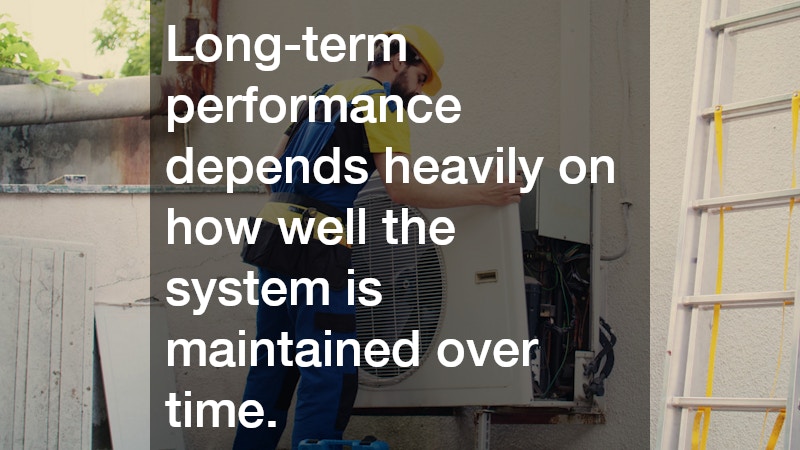
Long-term performance depends heavily on how well the system is maintained over time. Routine lubrication of moving parts, tightening of electrical connections, and inspection of critical components all contribute to operational stability. HVAC contractors often identify small issues during these checks that, if left unaddressed, could develop into costly repairs or system failures.
Monitoring energy usage provides another layer of insight into system health. Sudden increases in utility bills may indicate inefficiencies such as failing components or airflow restrictions. Tracking these changes allows homeowners to respond quickly and seek professional evaluation before the issue escalates.
Drain lines and condensate systems should also be inspected regularly to prevent clogs and water damage. A blocked drain line can cause moisture buildup within the system, leading to corrosion or mold growth. Flushing the line periodically helps maintain proper drainage and reduces the risk of secondary damage.
Finally, maintaining accurate service records supports better decision-making over the life of the system. Documenting inspections, repairs, and part replacements creates a clear history that can guide future maintenance strategies. When the time comes to consider upgrades or replacements, this information provides valuable context for evaluating system performance and cost efficiency.
Consistent HVAC maintenance is a practical investment in comfort, efficiency, and equipment longevity. By preparing for seasonal changes, maintaining airflow, and committing to preventative care, homeowners can reduce the likelihood of unexpected issues while optimizing system performance. Working with experienced HVAC contractors and staying proactive with routine upkeep ensures that your system continues to operate reliably year after year.