
Slashing Utility Costs With Structural Integrity and Appliance Efficiency
Every month, homeowners across the country open their utility statements with a sense of quiet dread. As energy costs continue to fluctuate, the financial burden of keeping a home warm in the winter and cool in the summer can feel like an uncontrollable tax on modern life. When faced with these rising expenses, the instinctive response is often behavioral: turning down the thermostat, taking shorter showers, or turning off lights when leaving a room. While these conservation habits are highly commendable, they often treat the symptoms of an inefficient home rather than curing the underlying disease.
The real culprit behind skyrocketing utility bills is rarely human behavior alone; instead, it is a structural and mechanical phenomenon known as thermal loss. A home operates as a complex, interconnected ecosystem where the exterior shell and the internal mechanical components constantly interact. If the outer barrier is compromised, or if the machinery responsible for regulating the climate is neglected, the entire system begins to fail. The energy you pay for simply bleeds out into the atmosphere, forcing your household equipment to work twice as hard to maintain a baseline level of comfort. By ensuring that your home’s thermal envelope is tightly sealed and that your high-consumption appliances are operating at peak efficiency, you can secure permanent, compounding reductions in your monthly energy bills.
Smart Glazing and Draft-Proofing
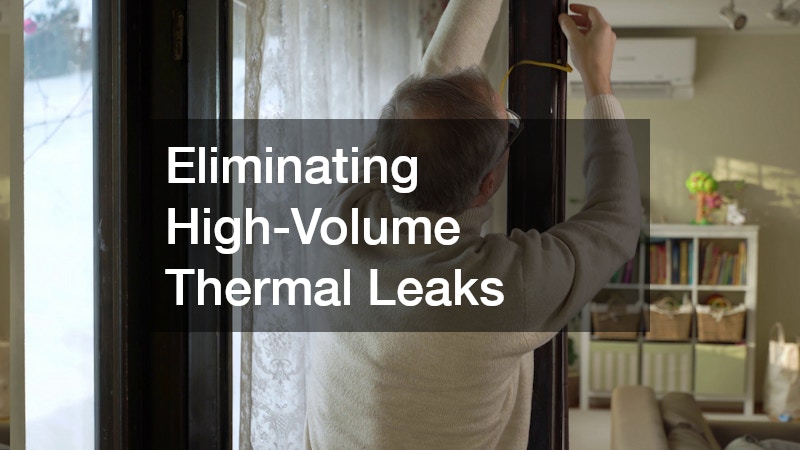
The windows and doors of your home are its portals to the outside world, providing essential natural light, ventilation, and emergency egress. However, from an energy perspective, they represent the most significant vulnerable points in your entire thermal envelope. According to data from the Department of Energy, residential windows are responsible for roughly twenty-five to thirty percent of a home’s heating and cooling energy use. When frames warp, glass panes degrade, or seals dry out, these necessary architectural features quickly transform into costly escape hatches for your conditioned air.
While minor drafts can be patched with DIY materials, structural failures within the frames or the glass itself demand a more permanent solution. Over time, single-pane units or older double-pane windows lose their insulating gas fills, leaving nothing but a thin sheet of glass between your living room and the elements. Investing in comprehensive window installation services is one of the most impactful capital improvements a homeowner can make, as modern multi-pane windows feature low-emissivity coatings that reflect infrared heat while allowing visible light to pass through. Partnering with a dedicated provider of window and door services ensures that every opening is square, flashing is properly integrated to prevent water intrusion, and the surrounding framing is packed with dense insulation, locking in your climate and lowering your baseline power usage year-round.
- Examine all exterior doors for visible light around the perimeter, which indicates a failed threshold seal or worn weatherstripping.
- Apply flexible silicone caulk to the stationary joints where window frames meet the exterior siding or interior drywall to block micro-drafts.
- Upgrade to triple-pane glass options in north-facing rooms to maximize thermal resistance during the coldest months of the year.
- Install heavy, thermally lined drapes or cellular shades to provide an additional layer of dead air space over glass surfaces during extreme weather events.
Maximizing Siding, Roofing, and Base Integrity
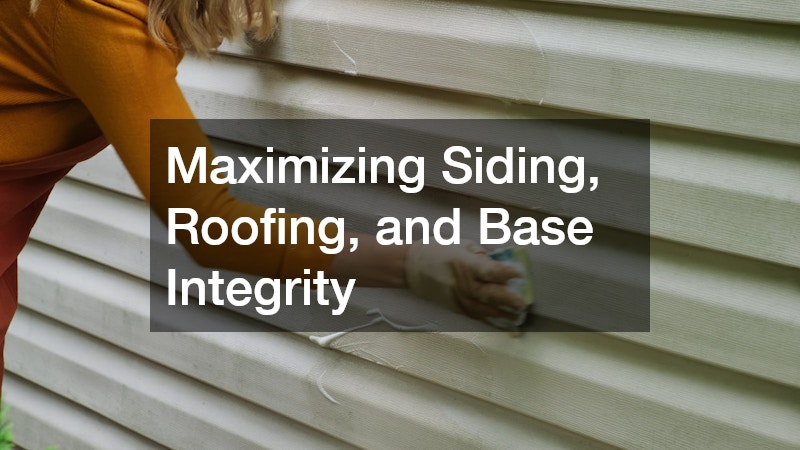
While windows and doors represent localized vulnerabilities, the literal walls and foundations of your home form the primary defense against environmental extremes. The exterior walls comprise the largest surface area of the building envelope, meaning that even minor inefficiencies spread across this massive expanse will aggregate into staggering energy waste. When exterior cladding becomes damaged by age, moisture, or insect activity, it ceases to protect the underlying house wrap and framing, allowing wind to penetrate deep into the structural cavities and displace the pockets of air that keep your home warm or cool.
To combat this type of systemic energy loss, homeowners must look closely at the health of their exterior cladding and framing protection. Modern advancements in exterior materials have introduced insulated siding options that add an uninterrupted layer of rigid foam insulation over the exterior studs, effectively breaking the thermal bridges that traditional building techniques leave exposed. Seeking out qualified siding companies to assess your home can reveal hidden rot or compressed insulation within the walls, allowing you to install a continuous moisture barrier and protective exterior skin that keeps ambient outdoor temperatures from radiating into your interior spaces.
At the lowest point of this protective shield lies the foundation, an area that many homeowners mistakenly overlook when hunting for energy leaks. Because concrete is a highly porous material, it readily conducts the cool temperatures of the earth into your basement or crawlspace. Over time, shifting soil, hydrostatic pressure, and seasonal freezing cycles can create structural fissures that allow cold air and dampness to seep into the lowest levels of your home, forcing upper floors to feel perpetually chilled. Arranging for local foundation repairs to seal these structural fractures and stabilize the perimeter not only protects the structural longevity of your property but also eliminates the continuous cooling effect that an unsealed, cracked foundation exerts on your entire indoor climate.
- Inspect the lower perimeter of your home’s exterior walls for gaps where the mudsill meets the concrete foundation, filling any openings with expanding foam.
- Look for warped, cracked, or loose exterior panels that could allow driving rain to compromise the underlying insulation layers.
- Ensure that soil levels slope away from the concrete base to prevent water accumulation that can accelerate structural cracking and thermal transfer.
- Consider applying rigid foam insulation panels directly to interior crawlspace walls to isolate the living areas above from ground temperatures.
Eliminating High-Volume Thermal Leaks
Heat naturally rises, a fundamental law of thermodynamics that makes the upper boundaries of your home a major focal point for energy conservation efforts. During the winter, the warm air you pay dearly to heat migrates toward the ceiling, searching for any opportunity to escape into the attic and out into the atmosphere. In the summer months, the opposite dynamic occurs: the sun beats down relentlessly on your roof, heating the attic space to temperatures that can easily exceed one hundred and forty degrees Fahrenheit, creating a massive radiant heat source that bakes your living spaces from above.
Maintaining the integrity of the roof system is vital to ensuring that this thermal movement does not destroy your monthly budget. Missing, broken, or degraded shingles allow water to penetrate into the attic, where it quickly ruins insulation, matting it down and destroying its ability to resist heat transfer. Engaging a certified roofing service to perform annual inspections and minor repairs prevents these catastrophic leaks, preserves the dry environment necessary for insulation to function, and ensures that roof ventilation systems are clear so that hot air can escape naturally rather than radiating downward into your bedrooms.
Adjacent to the roofline, the garage represents another massive zone where energy efficiency is frequently compromised. Many residential designs feature bedrooms or bonus spaces built directly above or beside an attached garage, creating a large shared wall or floor surface. Because garages are rarely conditioned spaces, they experience extreme temperature swings that easily transfer through uninsulated walls into the main house. Utilizing professional garage door services to install a modern, polyurethane-insulated door with comprehensive perimeter seals effectively transforms the garage into a buffer zone, stabilizing the air temperature inside the space and drastically reducing the thermal load placed on the shared interior walls.
- Check attic ventilation baffles to ensure they are not blocked by debris, allowing fresh air to flow from the soffits to the ridge vents.
- Look for dark stains on the underside of the roof decking, which indicate localized moisture penetration that can destroy insulation efficiency.
- Install a heavy-duty, insulated zip-cover over the attic access stairs to prevent conditioned air from drafting into the attic space.
- Upgrade the weather seals on the bottom of the garage paneling to block cold winter winds from whistling underneath the door frame.
Advanced Thermal Barriers and Underlayments
Once the exterior shell of your home is fully secured against the elements, the focus must shift inward to the invisible barriers that keep your indoor climate perfectly regulated. Evaluating the current state of your home’s insulation requires a trip into the less frequented areas of your property, such as the attic, crawlspace, or joist bays. In a typical attic, you should ideally see a thick, uniform blanket of material that completely obscures the floor joists; if you can see the tops of the wooden beams, your insulation depth is insufficient and is actively wasting your money. Consulting with specialized insulation services can help you determine the optimal material for your specific climate zone, whether that involves blowing in dense fiberglass, utilizing loose-fill cellulose, or applying advanced spray foam that simultaneously insulates and air-seals complex architectural configurations.
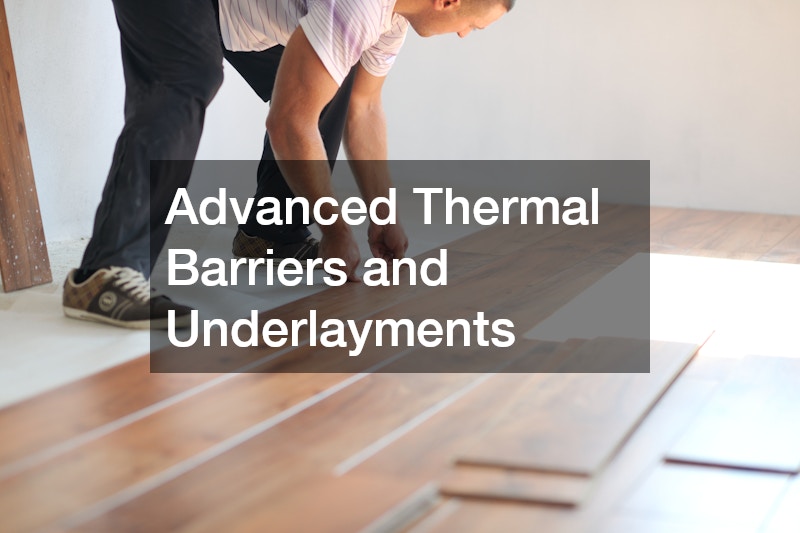
While looking upward is critical, looking downward at your flooring choices can also yield surprising opportunities for energy savings. Floors resting over unheated crawlspaces, uninsulated basements, or concrete slabs can feel freezing to the touch, forcing residents to raise the thermostat simply to feel comfortable at ground level. Visiting local flooring stores can introduce you to modern material options designed with thermal performance in mind, such as luxury vinyl planks or engineered woods paired with specialized acoustic and thermal underlayments. These advanced underlayment systems create a dense barrier that blocks cold radiation from the ground, ensuring your feet stay warm and reducing the need for continuous ambient heating.
- Measure the depth of your attic insulation with a ruler; a depth of less than twelve inches generally indicates a need for a top-off.
- Seal all mechanical penetrations, such as pipe chases and electrical boxes, with fire-rated caulk before adding new insulation layers.
- Choose dense cork or closed-cell foam underlayments when replacing flooring over concrete slabs to provide maximum thermal separation.
- Utilize thick area rugs with wool pads in high-traffic zones to add an immediate, inexpensive insulating layer to cold hardwood surfaces.
Slashing Appliance Power Consumption

With the structural envelope fully fortified and insulated, the final phase of a comprehensive energy-reduction strategy centers on the mechanical systems that generate your indoor comfort. Your heating, ventilation, and air conditioning machinery, along with your domestic hot water system, represent the lion’s share of your home’s total energy budget. Even the tightest, most perfectly insulated structure will still experience inflated utility bills if the mechanical heart of the home is forced to burn excessive amounts of fuel or electricity due to neglect, component wear, or sediment buildup.
Routine preventative care is the single most effective way to protect these expensive mechanical assets and guarantee they consume the minimum amount of power possible. For your climate control systems, this begins with the simple act of replacing air filters every thirty to ninety days; a clogged filter restricts airflow, forcing the blower motor to work harder and cycle longer to distribute air. When internal components like evaporator coils, burners, or heat exchangers become coated in dust and grime, their ability to transfer thermal energy drops precipitously, requiring professional HVAC repairs to restore the system to its original factory efficiency ratings and prevent premature catastrophic equipment failure.
Similarly, the system responsible for delivering hot water to your showers, washing machines, and dishwashers requires regular maintenance to ward off energy degradation. Over time, municipal water supplies introduce dissolved minerals into your storage tank, which precipitate out and form a thick layer of rock-like sediment at the bottom of the drum. This sediment acts as an unintended insulator between the gas burner or electric element and the water itself, forcing the system to run significantly longer just to reach the desired temperature. Enlisting dedicated water heater services to perform an annual system flush removes this efficiency-robbing debris, lowers your standby energy losses, and significantly extends the operational lifespan of the appliance.
- Establish a firm schedule for changing system air filters at the start of every season to keep airflow completely unobstructed.
- Clear away all leaves, weeds, and debris from around the outdoor air conditioning condenser unit to ensure optimal heat rejection.
- Set your domestic hot water temperature to exactly one hundred and twenty degrees Fahrenheit to prevent scalding and reduce standby heat loss.
- Install a programmable or smart thermostat to automatically lower heating or cooling levels when the home is unoccupied during work hours.
Achieving a truly energy-efficient home is not the result of a single, isolated upgrade, but rather the culmination of a systematic, holistic approach to property maintenance. When you take the time to seal the structural gaps in your windows and doors, fortify your exterior siding, repair foundation compromises, protect your roofline, and optimize your internal insulation, you create an incredibly resilient barrier against the external environment. This fortified structure directly reduces the daily workload placed on your heating, cooling, and water heating appliances, allowing them to operate smoothly, run less frequently, and consume a fraction of the energy they once required. By committing to regular structural checkups and proactive appliance care today, you ensure that your home remains a safe, comfortable, and affordable haven for many years to come.